Feeling sluggish, struggling with weight, and wondering if your metabolism is to blame?
A slow metabolism can indeed be a significant hurdle in your health journey, often leading to stubborn weight gain, persistent fatigue, and a general feeling of being out of sync with your body. Many individuals facing these challenges are eager to find effective, natural strategies to reignite their metabolic engines.
This comprehensive guide, backed by the latest research, delves into how you can naturally enhance your metabolism through potent dietary choices, effective exercise routines, and carefully selected supplements. Discover how a holistic approach can transform your metabolic health, leading to increased energy, better weight management, and improved overall well-being.
Understanding Your Metabolism: The Engine of Your Body
Before we dive into how to improve it, let's clarify what metabolism actually is and why it's so fundamental to your health, especially in the context of conditions like obesity.
At its core, metabolism is the sum of all chemical processes that occur in your body to keep you alive and functioning. These processes convert the food and drinks you consume into energy. This energy is then used for everything from breathing and circulating blood to repairing cells and performing physical activity. Your metabolism is constantly at work, even when you're resting.
There are three main components to your total daily energy expenditure (TDEE):
- Basal Metabolic Rate (BMR): This is the number of calories your body burns at rest to maintain basic physiological functions like breathing, circulation, cell production, and nutrient processing. It accounts for about 60-75% of your total daily calorie expenditure.
- Thermic Effect of Food (TEF): This is the energy your body uses to digest, absorb, transport, and store the nutrients from the food you eat. It typically accounts for about 10% of your daily calorie burn.
- Activity Energy Expenditure (AEE): This includes calories burned during physical activity, both planned exercise and non-exercise activity thermogenesis (NEAT), such as fidgeting, walking, and standing. This component is the most variable and can account for 15-30% of your TDEE.
When people talk about a "slow metabolism," they often mean their BMR is lower than optimal, making it harder to burn calories and maintain a healthy weight. Factors influencing your BMR include age (it tends to slow with age), sex (men generally have higher BMRs due to more muscle mass), genetics, body size, and especially body composition. The more muscle mass you have, the higher your BMR, as muscle tissue burns more calories at rest than fat tissue. Understanding these fundamentals is the first step toward taking control of your metabolic health.
💡 Key Takeaway
Your metabolism is the vital process converting food into energy, with your Basal Metabolic Rate (BMR) being the largest component. Optimizing BMR through diet, exercise, and lifestyle changes is crucial for managing weight, combating obesity, and boosting overall energy.
Dietary Strategies to Naturally Boost Your Metabolism
Your plate is one of the most powerful tools you have for influencing your metabolic rate. Certain foods and eating patterns can significantly enhance your body's ability to burn calories more efficiently and support healthy weight management.
1. Prioritize Protein at Every Meal
Protein has the highest thermic effect of food (TEF) compared to carbohydrates and fats. This means your body expends more energy digesting and metabolizing protein. Aim for a good source of lean protein at each meal to keep your metabolism humming and promote satiety, which can help prevent overeating. Excellent sources include lean meats, poultry, fish, eggs, dairy, legumes, and plant-based protein powders. A higher protein intake also helps preserve muscle mass, which is critical for a healthy BMR.
2. Don't Fear Healthy Fats
While often demonized, healthy fats are essential for metabolic function, hormone production, and nutrient absorption. Omega-3 fatty acids, found in fatty fish, flaxseeds, and walnuts, have been shown to reduce inflammation and may improve insulin sensitivity, both of which are beneficial for metabolism. Monounsaturated fats (avocado, olive oil) and polyunsaturated fats also play a role in overall metabolic health. Focus on whole, unprocessed sources of fat rather than trans fats or excessive saturated fats.
3. Embrace Complex Carbohydrates and Fiber
Unlike refined carbohydrates that can cause rapid blood sugar spikes and crashes, complex carbohydrates (whole grains, vegetables, fruits) provide a steady release of energy. They are also rich in fiber, which can significantly improve metabolic health. Fiber promotes satiety, helps regulate blood sugar, and supports a healthy gut microbiome – a factor increasingly linked to metabolism and weight. Foods high in fiber, such as oats, brown rice, quinoa, and a wide array of vegetables, require more energy to digest, contributing to a slightly higher TEF.
4. Stay Hydrated with Water
Water is often overlooked but plays a critical role in nearly every metabolic process. Even mild dehydration can slow down your metabolism. Studies suggest that drinking enough water can temporarily increase your metabolic rate. Aim for at least 8 glasses of water a day, and consider drinking cold water, as your body expends energy to warm it up.
5. Incorporate Metabolism-Boosting Foods and Spices
Certain foods and spices have properties that can give your metabolism a gentle nudge:
- Green Tea: Contains catechins, particularly EGCG, which may increase fat oxidation and energy expenditure.
- Coffee: Caffeine is a known stimulant that can temporarily boost metabolism and fat burning.
- Chili Peppers: Contain capsaicin, which can slightly increase thermogenesis and calorie burn.
- Ginger: May have thermogenic properties and help with satiety.
6. Mindful Meal Timing and Frequency
While the "eat 6 small meals a day" advice is somewhat outdated, consistent meal timing can help regulate hormones involved in metabolism and appetite. Avoiding prolonged fasting (unless practicing specific intermittent fasting protocols under guidance) and ensuring a balanced breakfast can kickstart your metabolism each day. Listening to your body's hunger cues is key, and avoid skipping meals, as this can signal your body to conserve energy and slow metabolism.
By making conscious choices about what and how you eat, you can create a powerful metabolic advantage, supporting your body's natural ability to burn fat and maintain a healthy weight. For more insights on optimizing your diet for metabolic health, consider exploring resources on how to improve metabolism naturally.
Exercise Strategies to Fire Up Your Metabolism
Beyond diet, physical activity is a cornerstone of a robust metabolism. Exercise not only burns calories during the activity itself but also has a lasting impact on your metabolic rate, especially by building metabolically active muscle mass.
Strength Training: Build Your Metabolic Furnace
Muscle tissue burns more calories at rest than fat tissue. This means that the more muscle you have, the higher your Basal Metabolic Rate (BMR) will be. Incorporate full-body strength training sessions 2-3 times per week. Focus on compound exercises like squats, deadlifts, presses, and rows that engage multiple muscle groups for maximum impact. This investment in muscle mass will pay metabolic dividends 24/7.
High-Intensity Interval Training (HIIT): The Afterburn Effect
HIIT involves short bursts of intense exercise followed by brief recovery periods. This type of training is incredibly effective for boosting metabolism, not just during the workout, but for hours afterward due to a phenomenon called Excess Post-exercise Oxygen Consumption (EPOC), often referred to as the "afterburn effect." HIIT can significantly increase fat oxidation and improve insulin sensitivity. Examples include sprint intervals, battle ropes, or cycling sprints.
Consistent Cardiovascular Exercise: Sustained Calorie Burn
While strength training and HIIT offer unique metabolic benefits, don't neglect consistent moderate-intensity cardio. Activities like brisk walking, jogging, swimming, or cycling for 30-60 minutes most days of the week contribute to overall calorie expenditure and improve cardiovascular health. While it may not have the same "afterburn" as HIIT, regular cardio is crucial for maintaining energy balance and supporting a healthy heart and lungs, which indirectly aids metabolic function.
Increase Non-Exercise Activity Thermogenesis (NEAT)
NEAT refers to the energy expended for everything we do that is not sleeping, eating, or sports-like exercise. This includes walking to work, taking the stairs, fidgeting, gardening, and even doing household chores. Small increases in daily NEAT can add up significantly over time, contributing to a higher total daily energy expenditure and preventing metabolic slowdown associated with sedentary lifestyles. Look for opportunities to move more throughout your day.
Lifestyle Factors That Impact Your Metabolism
Beyond diet and exercise, several daily habits and environmental factors significantly influence your metabolic rate and overall metabolic health. Optimizing these areas can provide a powerful boost to your efforts.
1. Prioritize Quality Sleep
Sleep deprivation wreaks havoc on your metabolism. Lack of sleep can disrupt hormones that regulate appetite (ghrelin and leptin), leading to increased hunger and cravings for unhealthy foods. It also impairs insulin sensitivity and can increase cortisol levels, both of which can slow metabolism and promote fat storage, particularly around the abdomen. Aim for 7-9 hours of quality sleep per night to support optimal hormone balance and metabolic function.
2. Manage Stress Effectively
Chronic stress triggers the release of cortisol, the body's primary stress hormone. Elevated cortisol levels can lead to increased appetite, cravings for high-calorie foods, and a tendency to store fat, especially visceral fat around the organs. Long-term stress can also impair thyroid function, a key regulator of metabolism. Incorporate stress-reduction techniques into your daily routine, such as meditation, yoga, deep breathing exercises, spending time in nature, or engaging in hobbies you enjoy.
3. Limit Exposure to Endocrine Disrupting Chemicals (EDCs)
Certain chemicals found in plastics, pesticides, and personal care products can interfere with your body's endocrine system, which regulates hormones, including those involved in metabolism. While complete avoidance is difficult, minimizing exposure by choosing fresh, organic produce, using glass containers, and opting for natural personal care products can support metabolic health.
4. Consider Cold Exposure (Briefly)
Emerging research suggests that brief exposure to cold, such as cold showers or cold therapy, can activate brown adipose tissue (BAT), also known as "brown fat." Unlike white fat, which stores energy, brown fat burns calories to generate heat. Regular, brief cold exposure may help increase BAT activity and potentially boost your metabolic rate over time. Start gradually and consult a healthcare professional if you have any underlying health conditions.
5. Quit Smoking and Limit Alcohol Intake
Smoking has numerous detrimental effects on health, including a negative impact on metabolism. It can impair insulin sensitivity and contribute to chronic inflammation. Excessive alcohol consumption can also slow metabolism, as your body prioritizes metabolizing alcohol over other nutrients, and it can disrupt sleep and hormone balance. Moderation is key for both.
By addressing these critical lifestyle factors, you create a supportive environment for your metabolism to thrive, enhancing the effects of a healthy diet and regular exercise.
The Role of Supplements in Metabolic Optimization
While diet and exercise form the bedrock of metabolic improvement, certain natural supplements can offer additional support, especially when facing challenges like a sluggish metabolism or persistent weight management issues. It's important to view supplements as complementary tools, not magic bullets.
Filling Nutritional Gaps
Even with a balanced diet, it can be challenging to obtain optimal levels of every nutrient essential for metabolic function. Supplements can help bridge these gaps, ensuring your body has the raw materials it needs to perform metabolic processes efficiently.
Enhancing Thermogenesis
Some natural compounds, known as thermogenics, can slightly increase your body's core temperature, leading to a modest increase in calorie expenditure. Ingredients like green tea extract and capsaicin are well-known for these properties, helping your body burn more energy even at rest.
Supporting Fat Oxidation
Certain ingredients can assist your body in utilizing stored fat for energy more effectively. This process, known as fat oxidation, is crucial for weight management and can be supported by compounds that enhance mitochondrial function or aid in fatty acid transport. For more information on this, see our article on fat oxidation supplements.
Balancing Blood Sugar and Insulin
Stable blood sugar levels and healthy insulin sensitivity are paramount for metabolic health. Ingredients like chromium and alpha-lipoic acid can play a role in supporting glucose metabolism, preventing sharp spikes and crashes that can lead to fat storage and energy dips.
Reducing Oxidative Stress
Metabolic processes generate free radicals, which can cause oxidative stress and damage cells. Antioxidant-rich supplements can help neutralize these free radicals, protecting metabolic pathways and supporting overall cellular health.
Boosting Energy Levels
By optimizing metabolic pathways, certain supplements can contribute to more efficient energy production, helping to combat fatigue and improve vitality, which in turn encourages more physical activity.
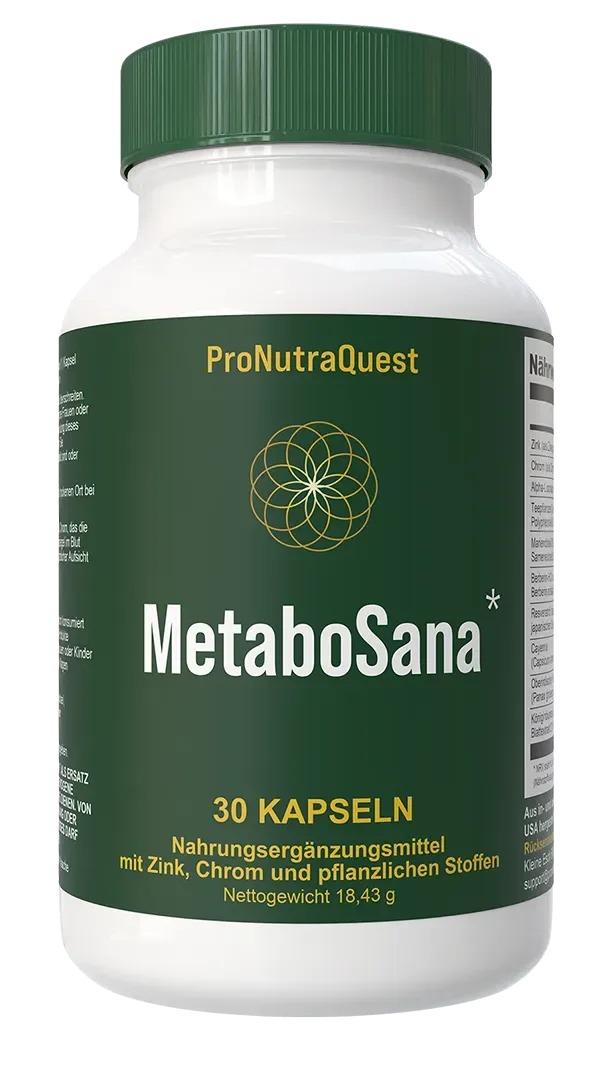
When considering supplements, always look for products that are transparent about their ingredients, dosages, and manufacturing quality. Natural, science-backed formulations are preferable. This is where a supplement like MetaboSana comes into play, offering a carefully selected blend of ingredients designed to work synergistically to support your metabolic health goals.
Introducing MetaboSana: A Natural Approach to Metabolic Support
MetaboSana is a natural dietary supplement designed to complement your efforts in improving metabolism through diet and exercise. It combines several well-researched ingredients, each playing a specific role in supporting your body's metabolic functions, energy production, and healthy weight management.
Green Tea Extract
Rich in catechins, particularly EGCG, which are powerful antioxidants. Green Tea Extract is widely studied for its ability to increase thermogenesis (calorie burning) and fat oxidation, helping the body to use fat for fuel more efficiently. It can also enhance energy expenditure.
Dose: Typical dose: 250-500mg (standardized to EGCG)
Alpha-Lipoic Acid (ALA)
A potent antioxidant that plays a crucial role in energy metabolism within the mitochondria. ALA helps convert glucose into energy, improves insulin sensitivity, and can support healthy blood sugar levels, all of which are vital for efficient metabolism and preventing fat storage.
Dose: Typical dose: 300-600mg
Chromium Picolinate
An essential trace mineral that enhances the action of insulin, a hormone critical for metabolizing carbohydrates, fats, and proteins. Chromium helps improve glucose uptake into cells, which can stabilize blood sugar, reduce cravings, and support healthy body composition.
Dose: Typical dose: 200-1000mcg
Berberine HCl
A bioactive compound extracted from several plants. Berberine is renowned for its ability to activate AMPK (AMP-activated protein kinase), often called a "metabolic master switch." This activation helps regulate glucose and lipid metabolism, improving insulin sensitivity and promoting fat burning.
Dose: Typical dose: 500-1500mg
Resveratrol
A natural polyphenol found in red grapes and berries, known for its powerful antioxidant and anti-inflammatory properties. Resveratrol has been studied for its potential to activate sirtuins, proteins linked to cellular health, metabolism, and longevity. It may also improve mitochondrial function.
Dose: Typical dose: 100-500mg
Cayenne Pepper (Capsaicin)
The active compound capsaicin in cayenne pepper is a natural thermogenic agent. It can slightly increase body temperature and metabolic rate, leading to increased calorie burning. It may also help reduce appetite and support fat oxidation, making it a valuable addition to metabolic support.
Dose: Typical dose: 30-120mg (capsaicinoids)
MetaboSana's carefully selected ingredients work together to provide comprehensive metabolic support, addressing various aspects from blood sugar regulation to thermogenesis. For real-life experiences and outcomes, you can read more about MetaboSana reviews and real results.
Ready to Experience a Revitalized Metabolism?
Don't let a sluggish metabolism hold you back from achieving your health and weight goals. MetaboSana offers a powerful, natural solution designed to work synergistically with your diet and exercise efforts to optimize your metabolic engine.
- ✓ Supports natural fat burning and energy production
- ✓ Helps stabilize blood sugar and reduce cravings
- ✓ Formulated with science-backed, natural ingredients
- ✓ Manufactured in a GMP-certified facility in the USA
- ✓ Backed by a 60-Day 100% Money-Back Guarantee



What Our Customers Are Saying
"I've struggled with my weight and energy for years, feeling like my metabolism was stuck. Since incorporating MetaboSana into my routine, along with better eating, I feel a noticeable difference. More energy, fewer cravings, and I'm finally seeing results on the scale. Highly recommend!"
"As someone constantly battling a slow metabolism, I was skeptical about supplements. But MetaboSana changed my mind. The natural ingredients gave me peace of mind, and the sustained energy boost is fantastic. It's truly helped me push through plateaus in my fitness journey."
"I've been using MetaboSana for two months now, and I'm genuinely impressed. My digestion feels better, my energy levels are more consistent, and I've even lost a few stubborn pounds without feeling deprived. It feels like my body is finally working with me, not against me."
Frequently Asked Questions
What exactly is metabolism, and why is it so important for my health?
+Metabolism refers to all the chemical processes that occur within your body to maintain life. It converts the food and drinks you consume into energy. A healthy, efficient metabolism is crucial for energy levels, weight management, cellular repair, and overall well-being. When metabolism slows down, it can contribute to weight gain, fatigue, and other health issues, including obesity.
Can diet alone significantly improve my metabolism?
+While exercise is vital, diet plays a profound role in metabolic health. Eating a balanced diet rich in protein, fiber, and healthy fats, while limiting processed foods and simple sugars, can significantly boost your metabolic rate. Specific nutrients and meal timing can also optimize your body's energy expenditure and fat-burning capabilities.
How does exercise impact metabolism, and what types are most effective?
+Exercise boosts metabolism in several ways. High-intensity interval training (HIIT) creates an 'afterburn' effect, elevating metabolism for hours post-workout. Strength training builds muscle mass, which is metabolically active even at rest, increasing your basal metabolic rate. Regular cardio also improves cardiovascular health and contributes to overall calorie expenditure.
Are metabolic supplements safe and effective for everyone?
+Metabolic supplements can be a helpful tool when used correctly and in conjunction with a healthy lifestyle. However, their safety and effectiveness vary depending on the ingredients and individual health conditions. It's crucial to choose reputable brands like MetaboSana, which use natural, scientifically backed ingredients. Always consult with a healthcare professional before starting any new supplement, especially if you have pre-existing medical conditions or are taking other medications.
What makes MetaboSana a good option for natural metabolism improvement?
+MetaboSana is formulated with a blend of natural ingredients known for their metabolic benefits, such as supporting thermogenesis, fat oxidation, and energy production. It aims to complement diet and exercise efforts by providing targeted nutritional support. Ingredients like Green Tea Extract, Chromium, and Alpha-Lipoic Acid work synergistically to help optimize your body's metabolic functions, supporting healthy weight management and energy levels.
How quickly can I expect to see results from improving my metabolism naturally?
+Results vary based on individual factors like starting metabolic rate, consistency of diet and exercise, and adherence to lifestyle changes. While some people may notice increased energy and initial weight changes within a few weeks, significant and sustainable improvements in metabolism typically take several months. It's a gradual process that requires patience and commitment to a holistic approach.
Related Articles